Community Pitches In To Pick Up Trash

May 18, 2020

In a normal year, Prospect Park receives upwards of 10 million visits—folks flock to Brooklyn’s Backyard for picnics, play dates, concerts, dog walks and so much more. During the best of times, tidying up after these visits is an enormous undertaking, requiring the help of dozens of NYC Parks and Prospect Park Alliance staff and volunteers. This work helps ensure that the park stays clean and safe for our community and the wildlife that call Prospect Park home.

The COVID-19 pandemic has brought many changes to the park. With nearly everything other public space closed, parks have never been more essential for our community—or more visited. Across the city, parks are packed and trash is on the rise. As the Alliance deals with reduced staff in the park, and reduced revenue to pay for supplemental cleaning crews, we are looking to our community to help keep this shared space clean—and you are stepping up!

Want to join in the fight to keep Prospect Park clean and healthy? Here are our tips:

  • An easy way to help keep the park clean? Carry your trash out of the park with you when you go or locate a park dumpster for trash to prevent overfilling smaller receptacles.
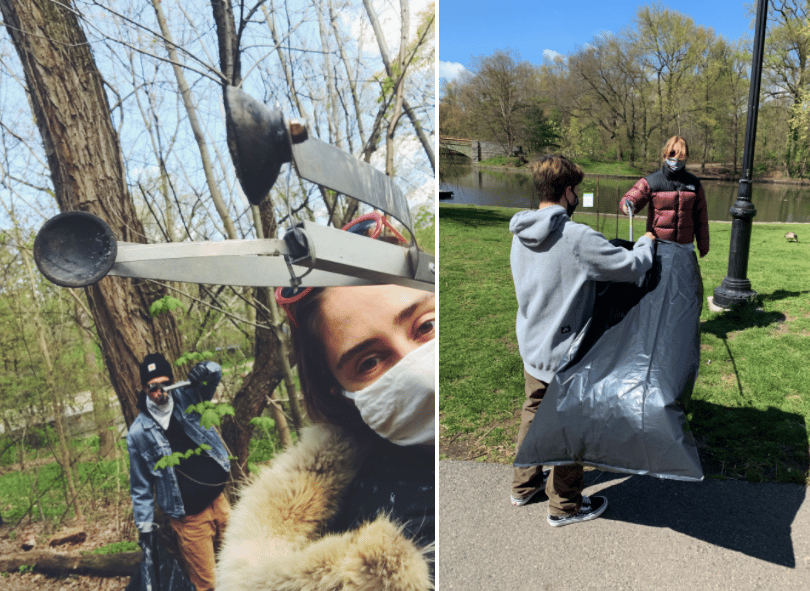
  • Want to play a bigger part? Make your own Green-and-Go Kit by pulling together garbage bags, trash grabbers and gloves for your next trip to the park.
  • If you are helping out, please observe social distancing guidelines—wear a face covering and keep 6 feet of distance from others.
  • Stick to park paths to avoid trampling fragile park habitats, and thank you for doing your part for Brooklyn’s Backyard! 

Learn more about how you can help Prospect Park Alliance sustain the park environment. 

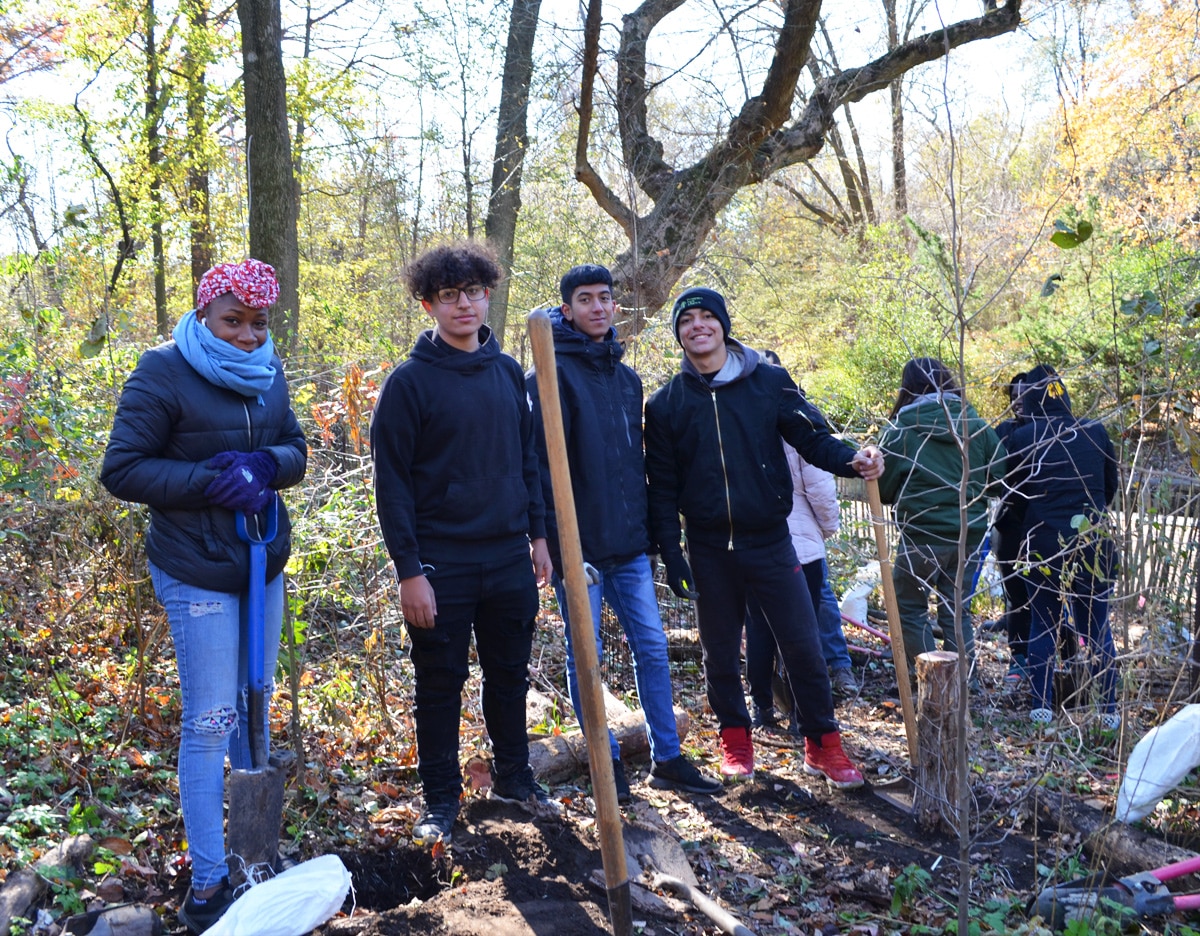
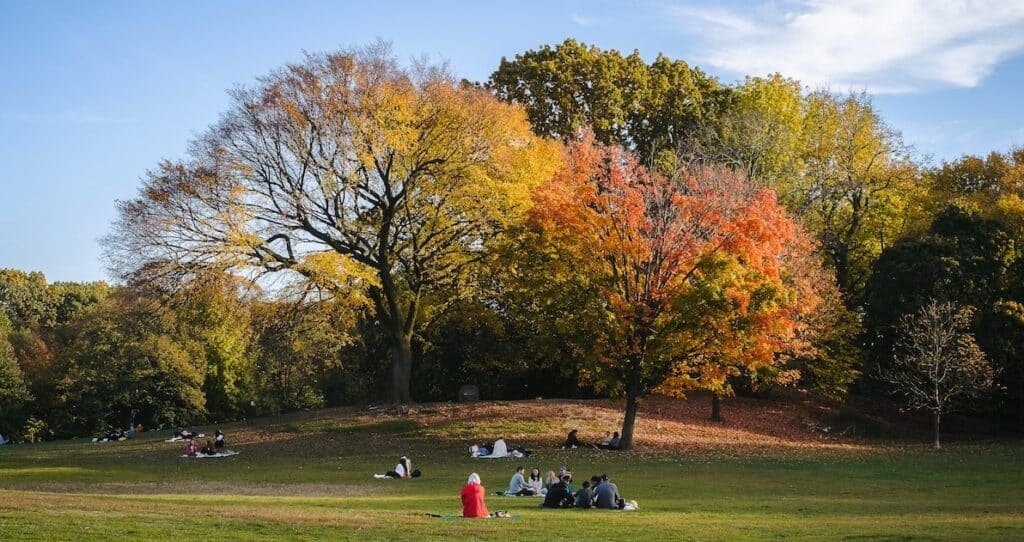
Images: above via Gail Greenberg, below left via Paula Zamora Gonzalez, below right via Pristine Johannessen

green_and_go_volunteers.png

This year on Earth Day, April 22, Prospect Park Alliance piloted a Green + Go Kit volunteer program, which offered trash grabbers and garbage bags to ecologically minded Brooklynites. Forty kits were loaned to the public in an effort to create a socially distanced volunteer opportunity, and the response was more than enthusiastic: all kits were booked in just three days. 

“It was a very diverse group of people—all ages and cultures were represented, adults and families with children,” said Maria Carrasco, Vice President for Public Programs at Prospect Park Alliance. “People were very thankful that the Alliance was offering this opportunity, and they walked out the door and started cleaning up trash right away!”

The Green + Go Kit volunteers aren’t the only ones who have been helping with trash collection—the help regular park-goers who are doing their part has been reported far and wide: these community members have been going out of their way to help pick up litter to keep Brooklyn’s Backyard clean and beautiful. 


c. A.J. Logan

May Species of the Month

May 15, 2020

Species of the Month is a botanical column written by Prospect Park Alliance Natural Resources Crew Foreperson, A.J. Logan. Learn more about how Prospect Park Alliance is Sustaining the Environment.

This month we’re highlighting an under-appreciated native woodland shrub: 

Aronia melanocarpa, commonly known as chokeberry

Chokeberry 2

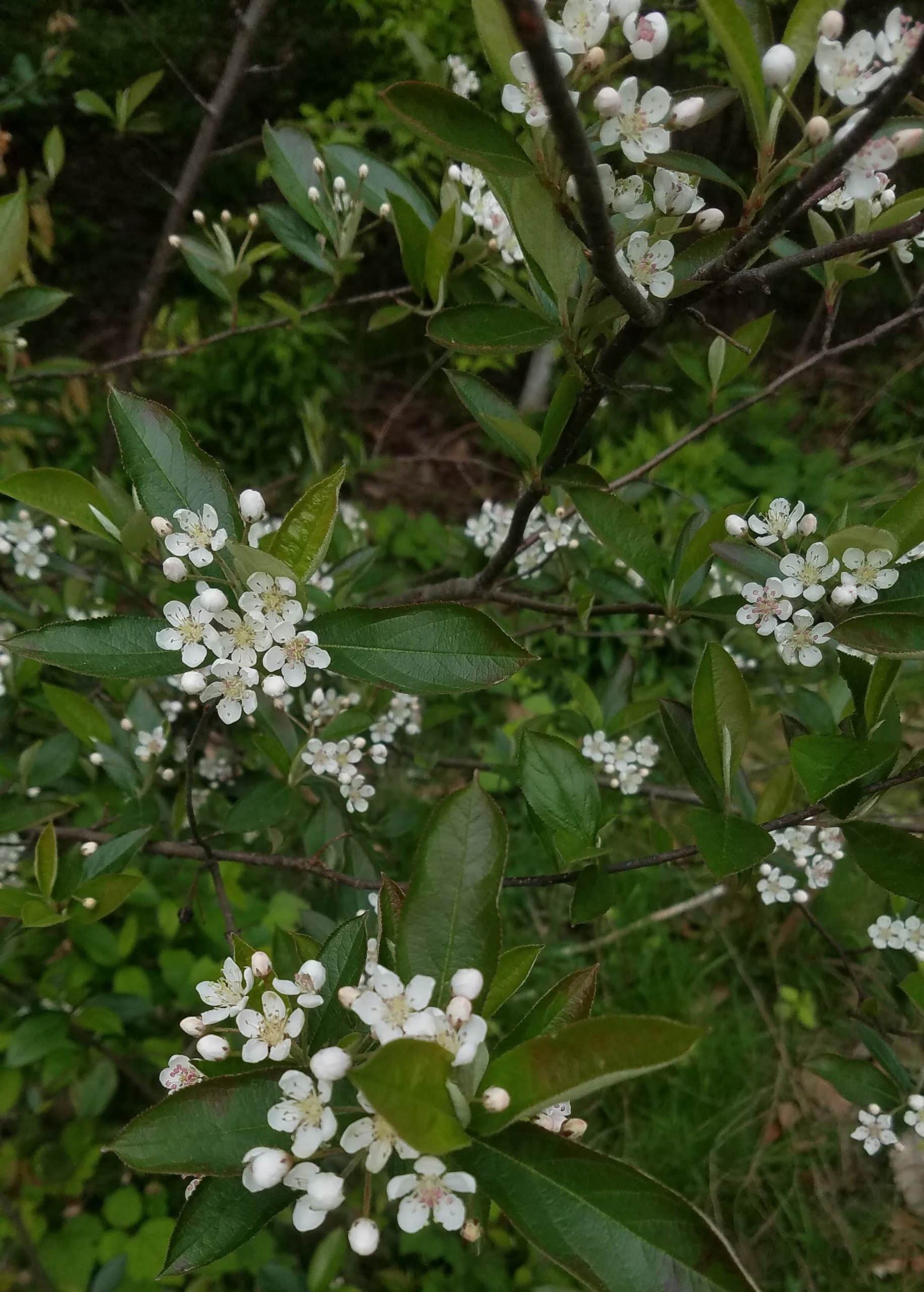
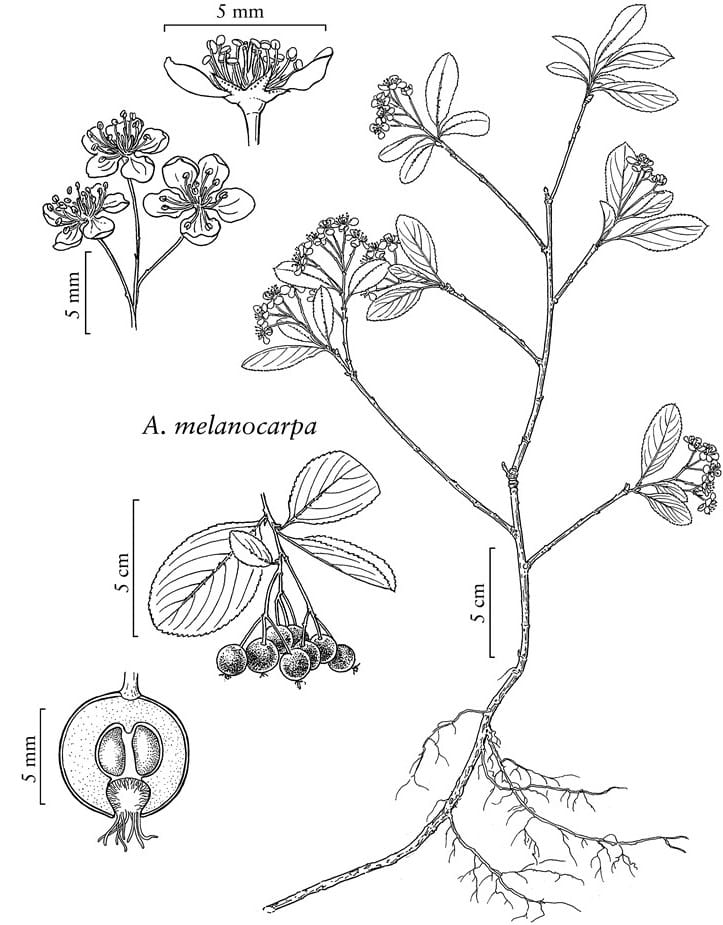
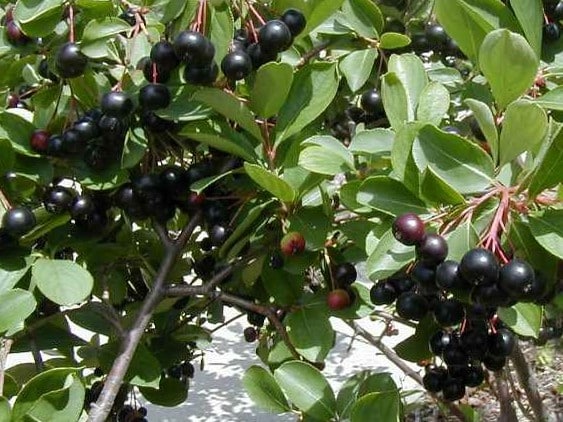
Chokeberry (not to be confused with chokecherry, which is a totally different species) is an understory and woodland edge multi-stemmed shrub that can grow to about 6 feet tall, and 6 feet wide, but usually gets to about half that size. It provides interest for humans, birds, insects and small mammals. Its leaves emerge light green with a tinge of red around the edges, then develop into a darker glossy green by summer. It has showy white flowers in spring, dark clusters of berries in summer, and colorful foliage (purplish-red, red, yellow or orange) in the autumn.

The chokeberry blooms in May, and you’ll see the delicate five-petalled white flowers with pink anthers (the part of the stamen that contains the pollen) on the unpollinated flowers. The pollinated flowers have more faded looking anthers. Many different insects will pollinate the flowers: bumblebees, multiple fly species, wasps, and several solitary bee species.

Chokeberry 5

The pollinated flowers will develop deep blue-to black berries which are extremely high in the phytonutrients and antioxidants found in all berries. Unfortunately for humans, these don’t have a great flavor (tart, astringent) which is where the name ‘chokeberry’ supposedly comes from. Critters that like the berries are black-capped chickadees, robins, cedar waxwings, rabbits and white-footed mice, among others. Some birds will only eat them as a last resort, due to the astringent taste.

Chokeberry 1

Chokeberry bushes can be found throughout the Prospect Park woodlands: on Lookout Hill, in the Vale of Cashmere, the Sugar Bowl, the Midwood, among other places. If you cannot find any, fear not: there is no shortage of other blooming things to appreciate in the park at this time!

4 Ways to Celebrate Earth Day

April 21, 2020

Happy Earth Day! This year, people all around the world are celebrating a milestone—the 50th anniversary of this international day of action for our environment. While we cannot gather together, our environmental educators have organized a celebration with fun activities and programs that will bring the wonders of nature in Prospect Park to life no matter where you are.

Finally, this Earth Day, sustain the park that sustains you:  right now your gift will go twice as far to sustain our community’s essential green space. We’re excited to announce that a pair of generous Prospect Park Alliance supporters have made a pledge: they will match all donations up to $20,000, dollar-for-dollar. Now is the perfect time to make your gift to support the park you love—when it will go twice as far and do twice as much to preserve this essential natural oasis.

Give-Today-btn.png

Prospect Park is home to Brooklyn’s last remaining forest, only lake and hundreds of species of plants and animals. Give now in honor of Earth Day—and know that your donation will be put to work immediately to sustain the park you love.

And from all of us here at Prospect Park Alliance, happy Earth Day!

April Species of the Month

April 6, 2020

Species of the Month is a botanical column written by Prospect Park Alliance Natural Resources Crew Foreperson, A.J. Logan. Learn more about how Prospect Park Alliance is Sustaining the Environment.

It is not enough that yearly, down this hill, 
April 
Comes like an idiot, babbling and strewing flowers. 
“Spring” by Edna St. Vincent Millay

Species is one of those words that is both singular and the plural. For this month, I am using it in the plural sense, not the singular. So yes, it’s a three-for-one special for my April Species of the Month column! As in the poem quoted above, April does seem to be throwing visual stimuli at us left and right, so it seemed like a good time to focus on ephemerals—plants that are here today, gone tomorrow. The three species for this month are:

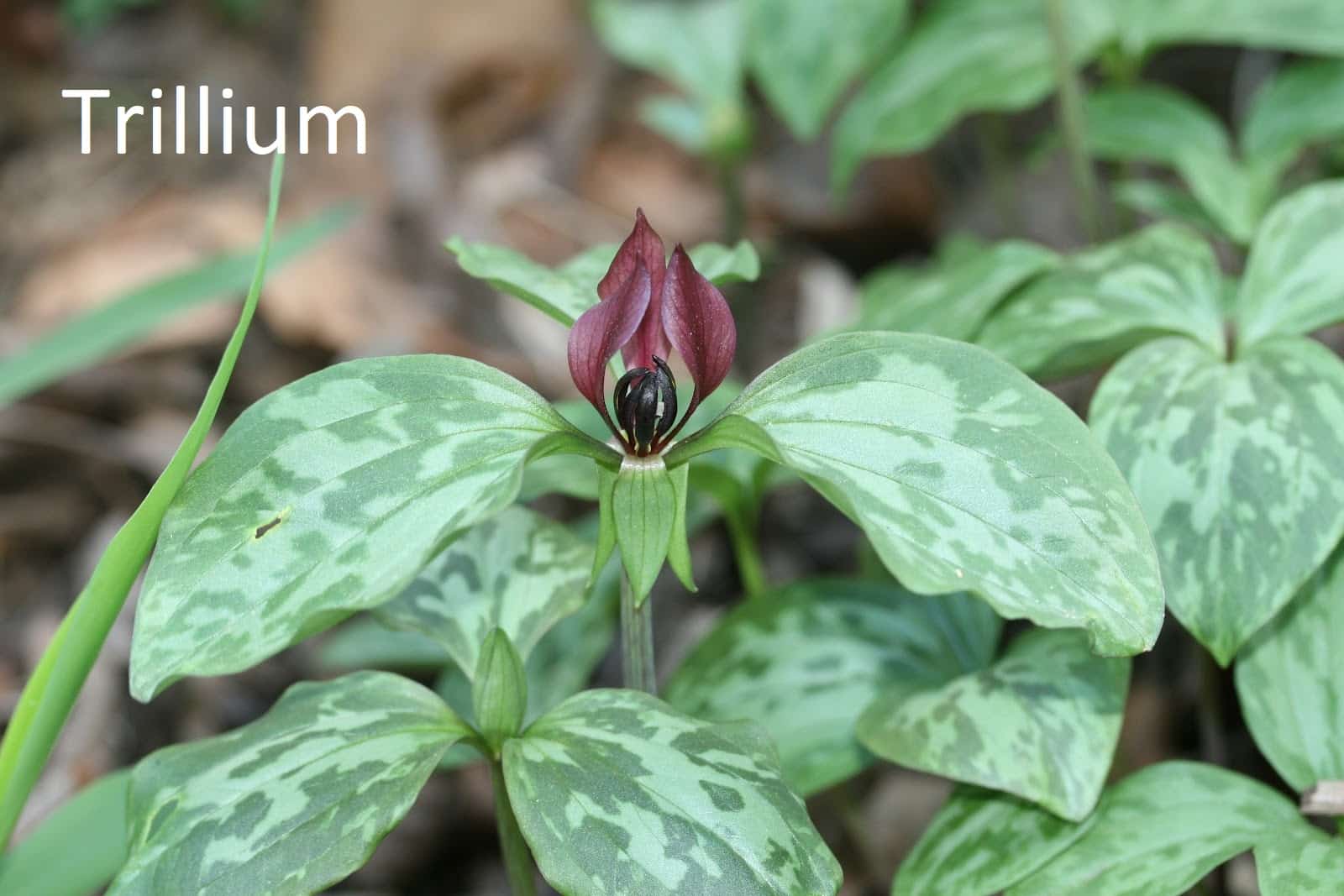
Trillium erectumred trillium
Trillium2.JPG

Trillium erectum is one of the many species of the aptly named trilliums, as both the leaf structure and the flowers come in groups of three. The leaves emerge from the leaf litter on the ground in March and, like most spring ephemerals, it takes advantage of the light coming through the tree canopy before the trees have leafed out. The leaves are dark green, often spotted with purple or green, and then fade to a darker purple as they die. This perennial herbaceous plant, which grows in our woodlands, has a dark-red, velvety, three-petaled flower (there are probably more than one species here in the park). The flower is supposed to smell like rotten meat (like the famous corpse flower) to attract flies as pollinators. When the flower fades, it leaves behind a single dark red berry. You’ll find them growing through the goutweed in the Midwood, or along the footpath between the Picnic House and the Tennis House, among other places.

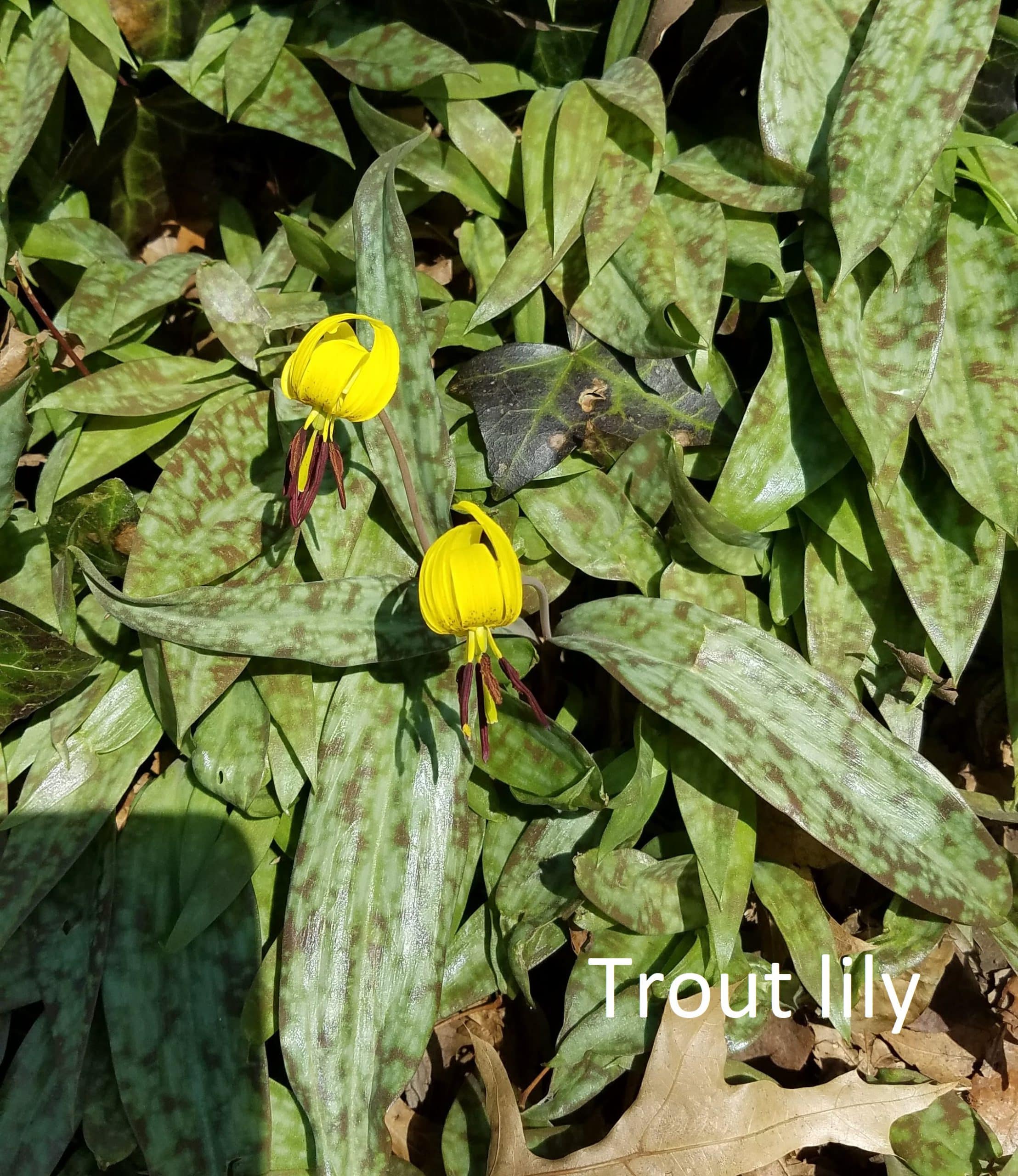
Erythronium americanum, the yellow trout lily

TroutLily1.jpgErythronium americanum, the yellow trout lily, thrives in similar conditions to the trillium. Trout lilies also can have purple-spotted leaves (supposedly resembling brook trout), form similar colonies on the woodland floor, and thus could easily be confused with the trilliums above. Just remember the trilliums have three leaves, and the trout lilies have one or two more elongated leaves. Once they flower however, the difference is clear. The trout lilies have a bright-yellow, downward-facing, bell-like bloom on an elongated stem. You may not see a lot of trout lily flowers in a patch, however, as it takes about four to seven years for them to bloom. Thus, less than one percent of each colony may be mature enough to bloom. The plants with one leaf do not flower, the plants with two leaves will flower. The yellow trout lily is a myrmecochorous plant (new word for me), which means its seeds are dispersed by ants. Additionally, they can reproduce asexually, by the bulb sending out a root-like tentacle that will create a new bulb, and then separate from the mother plant. The multiple reproductive survival methods may be why some trout lily colonies are suspected of being over 300 years old! The yellow trout lilies can also be found in the Midwood and along the same path between the Picnic House and Tennis House.

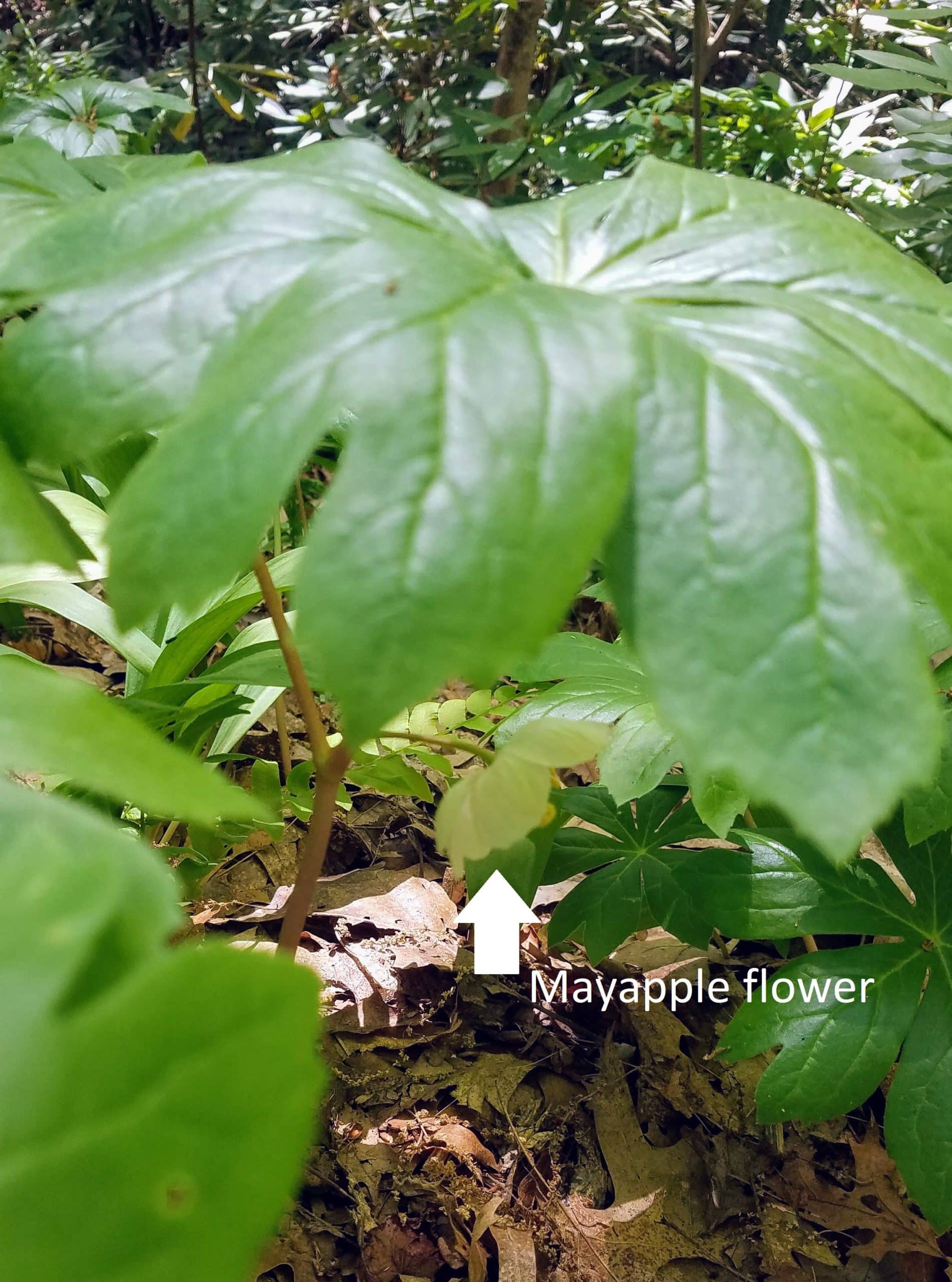
Podophyllum peltatum, mayapple

Mayapple1.jpg

Podophyllum peltatum is not technically a spring ephemeral, as its leaves and fruit last well into late summer. But I’m including it in this group because it is also a native perennial woodland herbaceous species with a unique form, which grows in colonies (that can reach 100 years old), and has a unique spring flower. The mayapple plant resembles a green umbrella, with one or multiple palmate leaves that will shade a single white flower that blooms discretely underneath its shade. Like the trout lily, if the mayapple produces a single leaf, it is young and will not flower. The multi-leaved (usually two) plants are the ones that bloom, with the flower emerging from the axil of the two leaves. An individual plant may take up to 12 years before it flowers. Mayapples mostly spread by rhizomes underground and via the seed from their fruit, which can be dispersed by multiple animals, including the eastern box turtle. To me, the fruit looks more like a small green tomato than an apple. You can also find these growing in the Midwood, or on the slopes on either side of the Wellhouse, as well as many other places in the park.

I know we’ve been stuck inside a lot lately, so if you get the chance, look out for these and other short-lived signs of spring before they’re gone!


Get To Know Prospect Park’s Trees

March 18, 2020

Prospect Park Alliance recently completed a survey of more than half of Prospect Park’s 30,000 trees through $113,000 in Urban Forestry grants from the New York State Department of Environmental Conservation.

The survey focused on the park’s landscaped trees and trees in wooded areas less than 25 feet from a path. This information provides a more nuanced picture of the park’s evolving ecosystem, as well as important insights into the economic, environmental and health benefits of this urban green space. The Alliance commissioned the survey, which was conducted by Davey Resource Group, to create a management plan to help track the park’s tree maintenance and planting needs in the coming years. 

Some top line results of the 15,698 trees surveyed in Prospect Park:

  • The surveyed trees provide more than $2 million in annual environmental benefits. This includes:
    • Air quality: 21,000 pounds of pollutants removed from the air each year, valued at $132,000;
    • Greenhouse gas benefits: 3,000 tons removed from the air, valued at $17,000;
    • Energy benefits: equivalent to 1,300 megawatt hours saved, valued at close to $862,000;
    • Storm water runoff benefits: 22 million gallons saved from the city sewer system, valued at $181,000.
  • 203 species of trees found in the park, including numerous varieties of native cherries, maples and oaks, as well as less common species included the Southern magnolia, a fragrant, flowering tree whose northern range is growing due to climate change, and the bald cypress, which typically grows in swampy conditions and sends up knobby root growths called “knees.”
  • The largest tree surveyed has a diameter of 77 inches, or 6 feet, 5 inches across! This specimen tree, an American elm located near the Bandshell, is estimated to be over 100 years old.

Want to help sustain this vital community resource? One way to support this important work is through the Alliance’s Commemorative Tree Program. During planting seasons that take place each fall and spring, members of the community have the opportunity to plant a new tree in Prospect Park. Through this program, roughly 1,100 trees have been planted over the past 30 years. In addition, each year the Alliance plants a community tree on Arbor Day: learn more about how to get involved in this community celebration.

Want to learn more about Prospect Park’s trees? Check out the Prospect Park TreeKeeper Interactive Map to get info on each of the surveyed trees and their benefit to the community.

c. Mary Keehbauch

Beautiful Rustic Trail Caps Woodland Restoration

January 16, 2020

On a windy Saturday morning in November, Mary Keehbauch, Prospect Park Alliance Deputy Director of Landscape Management, took a break from installing cedar rails to talk about her work in the Vale of Cashmere, one of two sites that Prospect Park Alliance received funding to restore following severe damage from Hurricane Sandy and other storms.

“It’s bittersweet,” Keehbauch said of the project as the formal restoration work comes to a conclusion, “but it’s been a really exciting transformation and I hope we’ve engaged enough people in this project, that they’ll work hand in hand with the Alliance to help take care of this area.” Keehbauch and a crew of Alliance staff, volunteers and even goats have worked over the past four years to revive the woodlands in this quiet northeast corner of the park, beloved by birdwatchers and in-the-know park visitors.

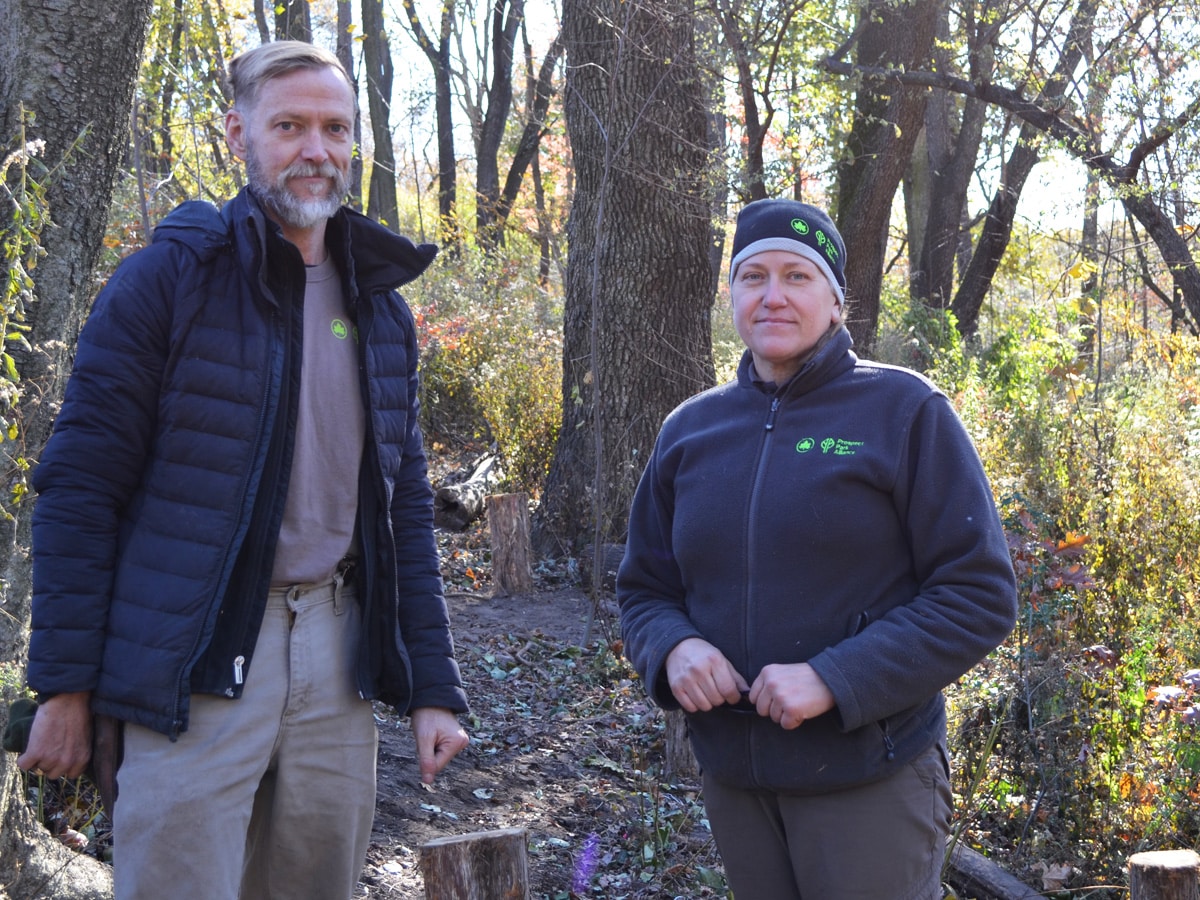
On this morning, Keehbauch was joined by her Alliance colleagues A.J. Logan, Natural Resources Crew Forestry Technician, and Kate Abrams, Woodland Youth Crew Supervisor, with the dozen-or-so high school students in her charge. The teens, participants in this Alliance program that hires local high school students to become stewards of Brooklyn’s last remaining forest, chatted happily as they dug holes, sawed logs and mulched paths for the park’s newest feature—a rustic trail which is the capstone of the massive restoration effort undertaken by the Alliance.  

vale_of_cashmere_rustic_trail_mary_keehbauch_aj_logan_staff.jpg
AJ Logan and Mary Keehbauch c. Lucy Gardner

In 2012, Superstorm Sandy brought widespread destruction to New York City, felling over 500 trees throughout Prospect Park, including 50 in the Vale of Cashmere alone. With $1.2 million in grants from the National Park Service and the New York State Office of Parks, Recreation and Historic Preservation to repair storm damage in the Vale as well as Lookout Hill, Prospect Park Alliance began work to restore these woodlands.

See a slideshow of the Woodland Restoration in the Vale of Cashmere

First came storm cleanup and a survey of the surrounding woodlands, which showed that relatively few species of trees and shrubs were thriving in the Vale, and many of these were considered invasive in New York State. Then came the demolition team—a group of goats hired to scale the steep hills and eat the dangerous and non-native plant species such as English ivy and poison ivy. This popular crew spent two summers in the park, eating the Vale clean, and prepping the space for the massive replanting that was about to take place. 

“We planted the area heavily, with a focus on creating a multidimensional, ecologically diverse woodland,” said Keehbauch, pointing out examples while standing in the landscape. “Throughout the changing seasons, people will be able to see a variety of native plants, understory trees and shrubs, with great flowers that will create food for insects and birds, feeding the park ecosystem.” 

In recent years, Keehbauch and her crew have worked to replant and maintain this area with essential support from fellow Alliance staff, the Woodlands Youth Crew, and many dedicated volunteers—notably a corps whose work has focused on the east side of the park, and who have dedicated countless hours to this often-overlooked area of the park. During the last two years, they’ve succeeded in planting over 20,000 trees, plants and shrubs in the Vale alone. 

In replanting, Keehbauch and her team have “stayed true to the native plant palette of the region,” bringing in more than 25 native species of plants including ferns, wildflowers, grasses, and shrubs, including elderberry and chokeberry, “plants that are going to hopefully help our butterfly and native bee population and draw in birds.” 

woodlands_youth_crew_fall_2019.jpg

Members of the Prospect Park Alliance Woodlands Youth Crew, c. Lucy Gardner

And the plants aren’t the only addition to the landscape. As the restoration project came to an end this winter, Keehbauch and her team installed a new rustic rail trail, which leads visitors to two sites of future restoration: the Rose Garden to the Children’s Pool. Following in the footsteps of park creators Frederick Law Olmsted and Calvert Vaux, this Adirondack-inspired feature takes a meandering route through the woods, inviting visitors to enjoy another view of Brooklyn’s Backyard. 

“We hope the trail will keep people from creating their own paths, which are destructive to this newly replanted landscape,” said Keehbauch. “It should also be an interesting experience—for birders, children—they’ll get to experience the interior of the woods right in the middle of Brooklyn.” 

Ready to try out the new trail? Visit the Vale of Cashmere—the trail is located on the eastern slope, and climb the hill to the Rose Garden. Learn more about Prospect Park Alliance’s work to Sustain the Environment. 

This project was undertaken by numerous contributors over the years. Special thanks are given to the Volunteer Corps, the Woodlands Youth Crew and their Alliance supervisors, and the members of the Prospect Park Alliance Hurricane Sandy Restoration team throughout the project: Christopher Guicciardo, Mary Keehbauch, Alexandra Kerr, A.J. Logan, Martha Maciasz, Michael Marino, and Victor Rendon.

Martin Seck

Prospect Park Alliance Tackles Toxic Algae Blooms

November 18, 2019

Prospect Park Alliance has begun construction of natural filtration system, known as an ecoWEIR, to reduce toxic blue-green algae blooms and improve the water quality of the park’s waterways. This innovative pilot program, the first in an urban park, is funded by the New York State Office of Parks, Recreation and Historic Preservation through a $390,000 grant.

While the Park is a natural wonderland, many people are not aware that Prospect Park’s lake, pools, waterfalls and streams are fed by the New York City water supply. Phosphates in the water, which make it safe for us to drink, lead to excessive algae growth. This algae growth limits resources for other plant life and wildlife, which is detrimental to the health of the Park’s waterways.

Phosphates in the water also produce blooms of blue-green algae, or cyanobacteria. Certain types of cyanobacteria produce toxins that can pose a health risk for humans and animals. Skin contact can cause rashes or eye irritation, while ingestion can cause more serious effects. These blooms have led to closing areas of the Prospect Park Lake that were previously available for dogs to swim due to concerns over exposure.

The Alliance is installing ecoWEIRs at two locations in the park, near Dog Beach (where city water enters the watercourse). The aim of this system is to reduce phosphates, thereby reducing excessive algae growth. The filtration system and its results will be monitored over the course of multiple seasons to determine if the pilot study is a success. In addition to enhancing the health and resilience of the Prospect Park Lake, this project provides an opportunity to educate the public about water health. If successful, the Prospect Park ecoWEIR project will be replicable in parks nationwide. 

Construction is slated to be completed in 2020.

Learn more about the project in this in-depth article on Gothamist.


c. Steve Nanz

Where Do The Animals Go In Winter?

November 13, 2019

Like Holden Caulfield before us, we’re asking, “where do the ducks go in the winter?” In fact, we want to know how all of Prospect Park’s year-round animal residents survive the season when temperatures dip below freezing. Read on below, and make sure to join Prospect Park Alliance at the Audubon Center to learn more about the park’s animal inhabitants.

Chipmunks
Prospect Park is home to one of the only populations of chipmunks in Brooklyn. As days get shorter and temperatures begin to fall, chipmunks shore up their underground burrows, cache  enough food to get them through winter, and hibernate. Their body temperature drops as low as 40 degrees, and their heart rate slows as low as 4 beats a minute! Chipmunks don’t spend the whole winter asleep. Every few days they awaken, eat some of their stored food, go to the bathroom and curl back up to wait for spring.

Turtles
Visitors to Prospect Park’s Lake are used to seeing turtles—often red-eared sliders—basking on sunny rocks and logs in summertime. When winter comes these creatures do not hibernate,  but “brumate” at the bottom of the Lake: remaining active while adjusting their bodies to the freezing conditions. As the temperature drops their blood thins, and they require less energy to move blood around their body. Consequently, they only need to eat, drink and breathe enough to barely keep the body going. It is not an uncommon sight to see a red-eared slider ambling around a pond floor under inches of ice!

Birds
Birds can be seen enjoying Prospect Park’s 585 acres year round, but not all birds enjoy the winter weather. Many species of birds make themselves scarce when the colder weather arrives, heading for southern latitudes. However, plenty of birds  have adapted to make the most of the cooler temperatures. During these months, they spend their days searching for food and staying warm. Their uninsulated feet are largely freeze-resistant, and by fluffing out their feathers—often appearing to double in size—the birds stay warm. Keeping their body temperature consistent requires lots of fuel, and they  are usually on the hunt for their next meal.

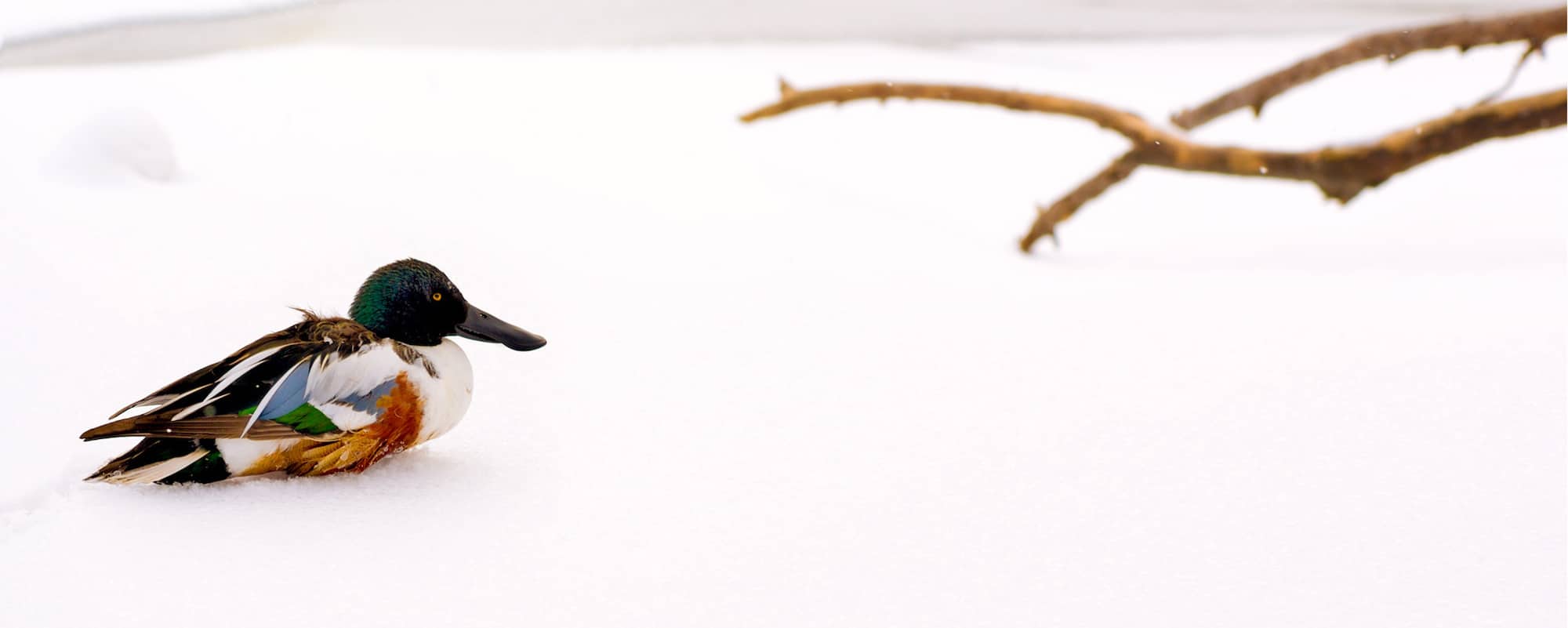
Many ducks stay in the park all winter long, enjoying the Lake’s freezing waters. These ducks are extremely hardy, due to a thick layer of fat and down under their waterproof feathers.

Duck_Northern-Shoveler-on-Prospect-Park-Lake_Joseph-O.jpg

A Northern Shoveler on Prospect Park Lake, c. Joseph O. Holmes

Fish
Prospect Park’s Lake is filled with fish, and as cold-blooded creatures, their metabolism dips when temperatures take a dive. In this resting state, fishes’ hearts slow down, their needs for food and oxygen decrease, and they move about very little. As ice forms on top of a lake, warm water sinks, and fish gather in groups near the bottom to stay warm. Some species burrow into the mud and go dormant, while other fish school together in “wintering holes” in deep pockets of the Lake.

Squirrels
Used to seeing squirrels in the park year round? That’s because squirrels are “homeotherms,” their body temperature does not fluctuate so they do not hibernate. Before winter arrives, squirrels can be seen hiding stashes of food in shallow holes and covering it up. When food becomes scarce, they will return to these locations and dig up  a meal. To minimize exposure, squirrels spend less time outside their dens during the colder months, and it’s common for several squirrels to share a den, allowing them to take shelter and keep each other warm.

Frogs
Frogs live in a variety of environments in the park, and likewise have a variety of ways of coping with the cold temperatures. Some aquatic frogs spend the winter at the bottom of the Lake, with a slowed-down pace and metabolism like  fish and turtles. Others burrow into the ground and hibernate the winter away. And some frogs, like spring peepers—loud tree frogs—can freeze solid! They stop breathing and their hearts stop beating, but high concentrations of glucose in their blood acts as a natural antifreeze, allowing their bodies to stay safe until they thaw in warmer weather.

Learn much more about park nature and meet turtles, fish and other park critters with Prospect Park Alliance at the Audubon Center.

c. Steve Nanz

Park Wildlife By the Numbers

October 16, 2019

Most people know Prospect Park as a large, public green space where Brooklyn’s diverse community comes to gather—but did you know that community includes an amazing diversity of wildlife? Prospect Park Alliance crews restore and maintain these natural spaces where this array of species thrive. We’re breaking down Prospect Park’s fauna by the numbers to remind you just how essential these 585 acres are. 

292 Species of Birds, 71 Nesting Bird Species
Prospect Park hosts numerous species of birds year round, but the park is also extremely important to migratory birds. Twice a year during the migration seasons, millions of birds fly over New York City via the Atlantic Flyway. Flying over Brooklyn, many birds take advantage of Prospect Park’s prime location and natural habitat to rest, refuel and prepare themselves for the rest of their journey. 

15 Species of Mammals
Anyone who has taken a walk through Prospect Park’s woods is familiar with a few of the mammal species in the park—squirrels are ubiquitous and chipmunks abound (and are one of the only populations of chipmunks in Brooklyn). Unsurprisingly, the park hosts raccoons and mice, but did you know that park is home to at least 6 species of bats (possibly up to 9), rabbits, and as of 2019, a skunk!

14 Species of Fish
Prospect Park is home to Brooklyn’s only lake, and this ecosystem hosts a wide variety of fish. Catch-and-release fishing is permitted in Prospect Park, and potential catches include pumpkinseeds, bluegills, and even largemouth bass of impressive size!

6-8 Species of Reptiles and Amphibians
A common sight in Prospect Park are turtles sunning themselves throughout the park’s watercourse, much to the delight of visitors. These are most frequently red-eared sliders, but other reptile and amphibian species include American bullfrogs and snapping turtles. 

1000+ Species of Insects, Including 35 Butterfly and 59 Bee Species
Any estimate of the number of insect and arachnid species in Prospect Park is likely to be an underestimate—these creeping, crawling and flying creatures are numerous and an essential part of the park’s ecosystem even in an urban environment. No concrete species number exists for invertebrates, as most insect groups in the park have not been counted. However, there are an estimated 21 species of odonates (dragonflies and damselflies), at least 35 species of butterflies, and approximately 59 native bee species—28% of all bee species east of the Mississippi River!

Prospect Park also hosts an amazing diversity of plant species, and is both and “ark” and a “source” for species, meaning that it is the last place in Brooklyn for some habitats and species, as well as a genetic reservoir for local plants and creatures. Prospect Park Alliance’s crews work year-round at ecological restoration—enhancing and creating habitats dominated by native species that provide wildlife habitat and encourage conditions of natural habitat succession. 

Interested in learning more? Head to the Sustaining the Environment section of our website, and consider getting involved with Prospect Park Alliance to support our mission. 

c. Steve Nanz

3 Bird Migration Hotspots

September 20, 2019

Bird migration season is in full swing here in Brooklyn, and there’s no better place to see the hundreds of species passing through than Prospect Park. In recent years, Prospect Park Alliance has made an effort to reduce invasive plant species and encourage the growth of native trees, shrubs, flowers and grasses—and our feathered friends could not be happier about it. Native plants produce seeds and berries, and host a variety of local insects, all of which our local and migratory birds love to snack on. Head into the park during this migration season for a chance to see a few of the more than 200 bird species that use Prospect Park as a rest stop. We suggest these park birding hotspots:

Lookout Hill
Lookout Hill is the highest peak in Prospect Park, part of the Terminal Moraine left by glaciers in the last ice age that extends through Brooklyn. Prospect Park Alliance’s horticulturalists and Natural Resources Crew have been hard at work maintaining Lookout Hill’s natural spaces, including the Butterfly Meadow. The geography of Lookout Hill, combined with the abundance of native food sources, make this a top-notch destination for birds (and fellow birdwatchers) during migration season. Find a variety of songbirds including many species of warblers, as well as raptors enjoying the vista. 

Prospect Park Lake
Whether you’re walking the shores of the Peninsula, or staring through binoculars at Music Island, Prospect Park Lake—Brooklyn’s only lake—is a fabulous destination for birdwatching. Since the opening of the LeFrak Center at Lakeside in 2013, this area of the park has enjoyed a dedicated crew of Alliance gardeners who maintain the plantings and the facility’s green roof. The 55-acre lake is a year-round destination for waterfowl and shorebirds, and migration season means you’re sure to see something spectacular no matter which way you look.

Vale of Cashmere
In 2012, Prospect Park lost over 500 throughout the park due to Hurricane Sandy, with 50 alone in the Vale of Cashmere. Thanks to grants from the National Parks Service through the Hurricane Sandy Disaster Relief Assistance Grant Program for Historic Properties, the Alliance was able to hire a dedicated crew to restore this area of the park. Over the course of years, the crew removed damage, used a popular goat team to clear invasive species, and in 2017 planted over 20,000 native plants and shrubs. The result? A bird haven in a quiet corner of the park. Head here to watch songbirds enjoying the landscape, and discover a part of Prospect Park you may never have seen before.

Check out the birdwatching page on our website for more information on birdwatching in Prospect Park, and visit the Brooklyn Bird Club website for the latest bird sightings.